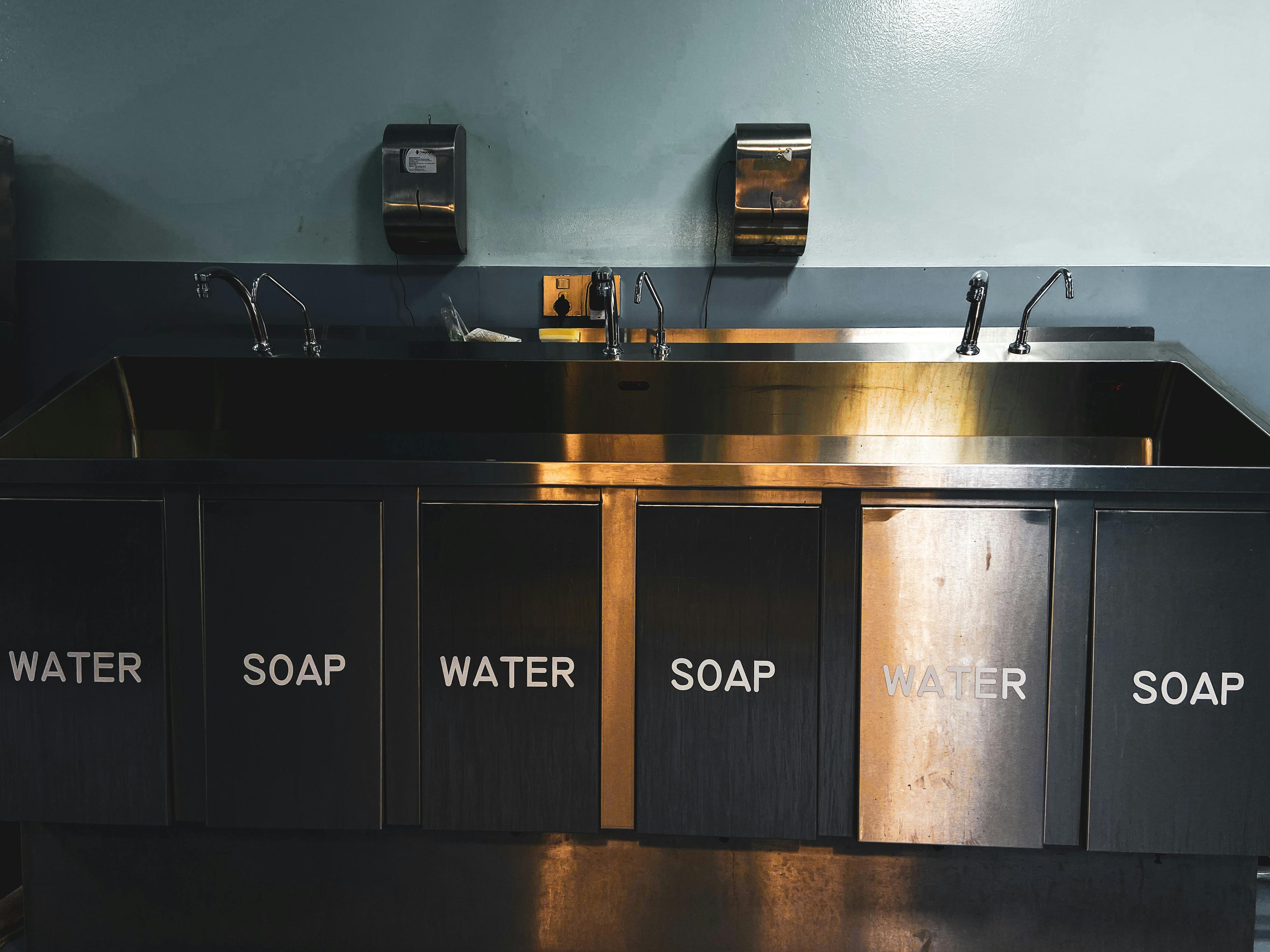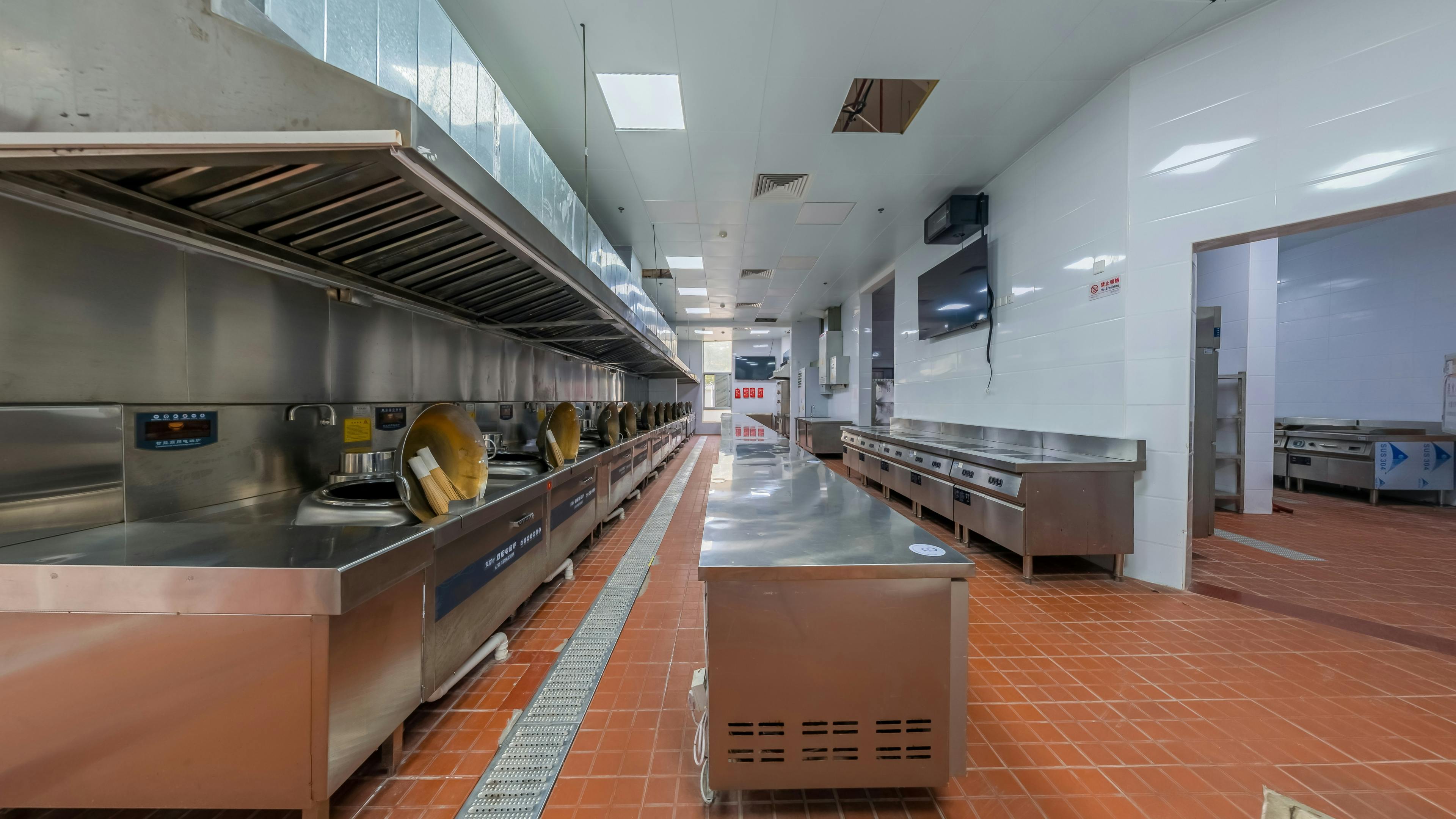
Hospital kitchen equipment operates under a different standard from restaurant or hotel equipment. The consequences of a food safety failure in a hospital — where patients may be immunocompromised, post-surgical, or on strict dietary regimens — are severe. HACCP (Hazard Analysis and Critical Control Points) compliance is not a procurement checkbox in this context; it is a patient safety requirement.
HACCP Requirements for Hospital Kitchens in Kenya
HACCP requires that every step in the food production process is analysed for biological, chemical, and physical hazards, and that critical control points (CCPs) are identified and monitored. In a hospital kitchen, this means: complete separation of raw and cooked food flows; temperature control at every stage (cold storage, cooking, hot-holding, service); and equipment that can be thoroughly cleaned and sanitised to eliminate cross-contamination risk.
KEBS and the Kenya Ministries of Health and Public Health Services reference HACCP as the framework for food safety in institutional catering — including hospitals and health facilities. Government hospital procurement increasingly requires HACCP documentation as part of equipment contracts.
Surface and Joint Specification for Clinical Environments
Hospital kitchen equipment must be fabricated with no crevices, no hidden joints, and no surfaces that trap food debris or resist cleaning. The key fabrication requirements are: fully welded and ground smooth joints (not bolted or riveted); coved internal corners (radius not sharp 90° angles, which are impossible to clean properly); no hollow legs or frames that could harbour bacteria or pests; and smooth, brushed Grade 304 surfaces throughout.
This specification eliminates the harbour points where bacteria — including Salmonella, Listeria, and Clostridium — can survive cleaning and contaminate food at the next service. Standard commercial worktables and sinks, if properly fabricated to these specifications, meet hospital kitchen requirements. The fabrication quality — not the product category — is what makes the difference.
Cleaning Regime Compatibility
Hospital kitchens are cleaned more aggressively and more frequently than restaurant kitchens — typically full wash-down with hot water, alkaline detergents, and chlorine-based sanitisers at the end of every service. Equipment must withstand this regime without degrading.
Grade 304 stainless steel is resistant to the cleaning chemicals used in hospital environments. Lower grades (430, 201) will corrode under repeated chemical exposure, creating pitting that harbours bacteria and eventually makes the surface non-cleanable. Hospital kitchen equipment in Grade 304, fabricated without crevices, will withstand daily chemical wash-down indefinitely.
Capacity Planning for Hospital Kitchens in Kenya
Capacity planning for a hospital kitchen is driven by the daily patient census (number of patients fed per day), the number of meal services (typically three main meals plus mid-morning and afternoon snacks), and the range of therapeutic diets required (diabetic, renal, low-sodium, pureed, etc.).
For a 100-bed hospital in Kenya providing 3 meal services per day, the effective daily meal production is approximately 300–450 meals (accounting for staff meals and visitor catering). This requires a kitchen equipped for roughly the same output as a medium-to-large restaurant — but with stricter separation between dietary categories and more complex cold-holding requirements.
Hospitals serving 200+ beds require institutional-scale kitchens with large-capacity ranges, bulk prep stations, systematic portioning areas, and high-throughput servery lines with bain maries for therapeutic diet separation.